8 hr
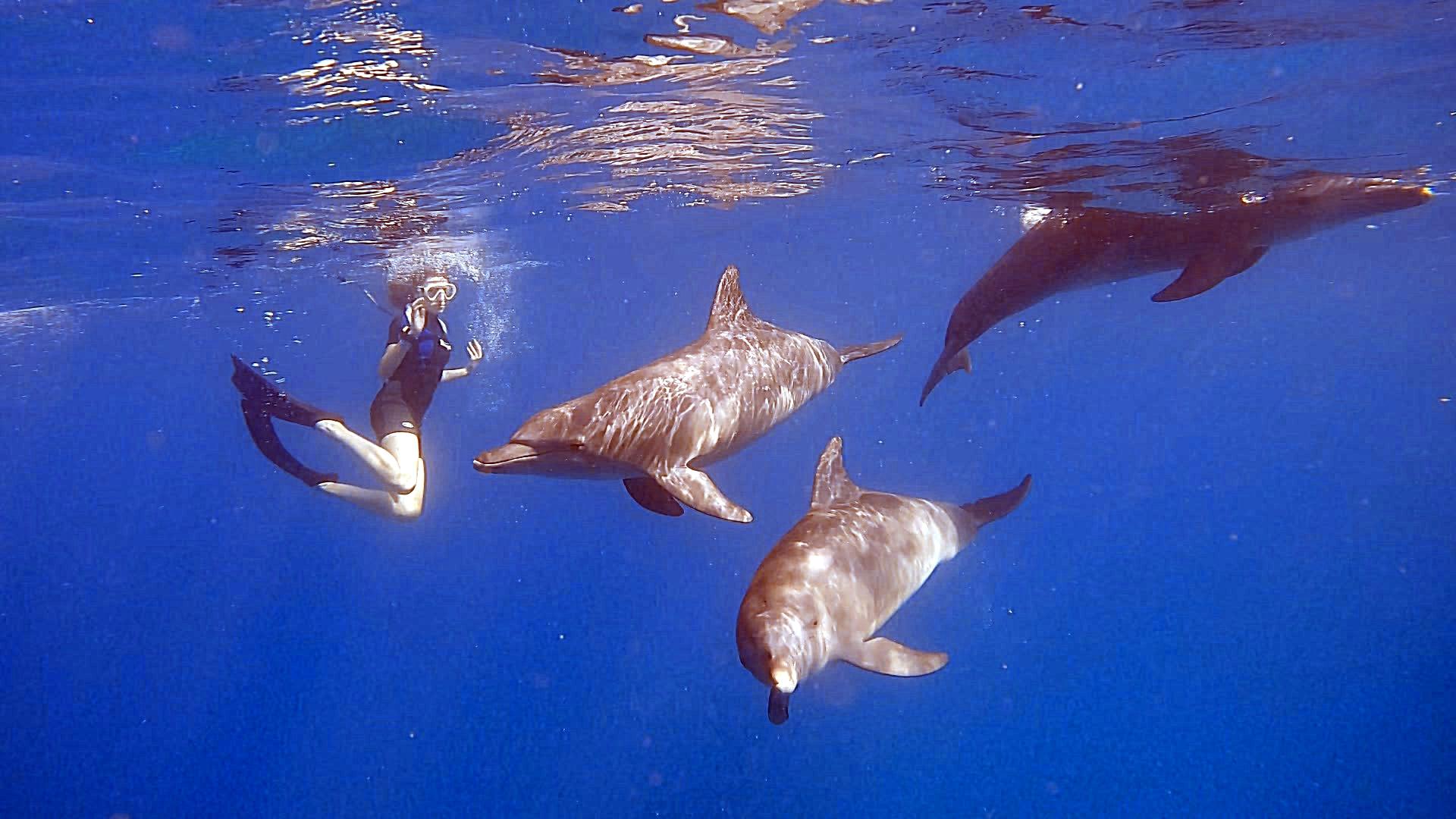
Ras Mohamed & White Island Snorkeling and Diving Adventure
- Expert local guide
- Small group
- Skip-the-line access
- Free cancellation
Red Sea Scuba Diving — Egypt's Coral Kingdom
Vertical walls and pelagic crossroads, where two continents meet underwater
Compare fares, pick the fit — all bookings are mobile-voucher and eligible for free cancellation where shown.
8 hr
9 hr
8 hr
| Experience | Duration | Rating | Transfers | Pickup | Skip-the-line | Guide | Price | |
|---|---|---|---|---|---|---|---|---|
|
Guided Experience
Most popular
Ras Mohamed & White Island Snorkeling and Diving Adventure
|
8 hr | ★ 4.9 | ✓ | ✓ | ✓ | ✓ | $41 | Book → |
|
Guided Experience
Ras Mohamed & White Island Snorkeling Adventure
|
9 hr | ★ 4.8 | ✓ | ✓ | ✓ | ✓ | $29 | Book → |
|
Guided Experience
Red Sea Intro Diving Experience with Lunch
|
8 hr | ★ 4.8 | ✓ | ✓ | ✓ | ✓ | $52 | Book → |
They complement each other; most visitors who do both call the Maldives more thrilling for pelagic encounters, while red sea scuba diving tours offer superior historical wreck accessibility.
|
Top pick Red Sea |
Maldives | |
|---|---|---|
| Average cost | 50–100 USD per dive | 100–200 USD per dive |
| Flight accessibility | High (Major hub proximity) | Moderate (Requires seaplane/transfer) |
| Marine life diversity | High (Reef fish/coral) | Very high (Pelagic/sharks/mantas) |
| Average visibility | 20–40 meters | 15–30 meters |
| Primary diving style | Wall and wreck diving | Drift and channel diving |
| Entry requirements | 0 USD (Operator fees) | Government environmental taxes |
| See tickets & prices |
Verdict: Choose red sea scuba diving tickets for accessible wreck exploration, or select the Maldives for high-energy drift dives and large marine fauna encounters.
Hand-picked experiences loved by thousands of travelers
7 hours
Free Cancellation
Explore vibrant coral reefs with two beginner dives or snorkeling stops, buffet lunch included
7 hours 30 minutes
Free Cancellation
Sail the Red Sea on a premium yacht with snorkeling, optional try-dive, and personalized small-group service
7 hours
Free Cancellation
Full-day marine adventure with hotel transfers, equipment, lunch, and choice of snorkeling or diving
7 hours
Free Cancellation
Discover underwater wonders at two Red Sea locations with expert guidance, lunch included
9 hours
Free Cancellation
Explore three pristine Red Sea reef sites with guided diving and snorkeling at Tiran Island's protected waters
8 hours
Free Cancellation
Full-day yacht cruise visiting Dolphin House, Orange Bay and Magawish Island with diving, snorkeling and seafood
8 hours
Free Cancellation
Full-day yacht adventure with guided dives, coral snorkeling, island visit, onboard massage, and BBQ lunch
7 hours
Free Cancellation
Dive among sunken tanks, helicopters and military relics transformed into an artificial reef
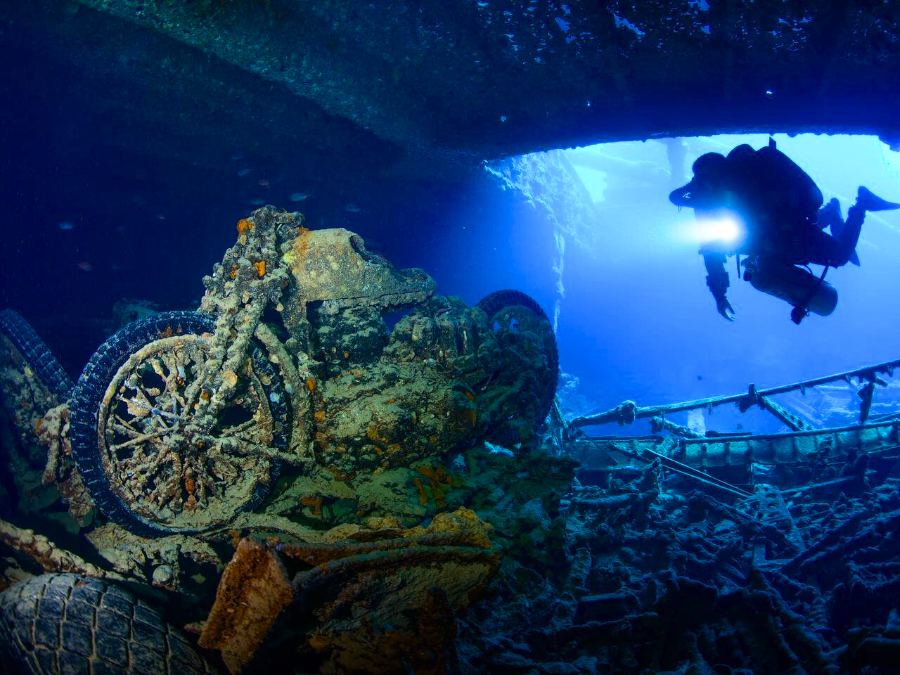
A famous WWII shipwreck lying at a depth of 30 meters with cargo still inside
This protected area features diverse coral reefs and significant marine biodiversity for divers
Known for its dramatic walls and frequent encounters with pelagic shark species
Two small islands known for deep water and pristine coral formations for experienced divers
Located in the Straits of Tiran, this reef is famous for its fire coral and shipwrecks
You board the dive boat at 08:00, securing your BCD and regulators on the aluminum bench as the captain motors past the harbour breakwater. Morning light angles through the water column, rendering the thermocline visible as a shimmering boundary fifteen metres down.
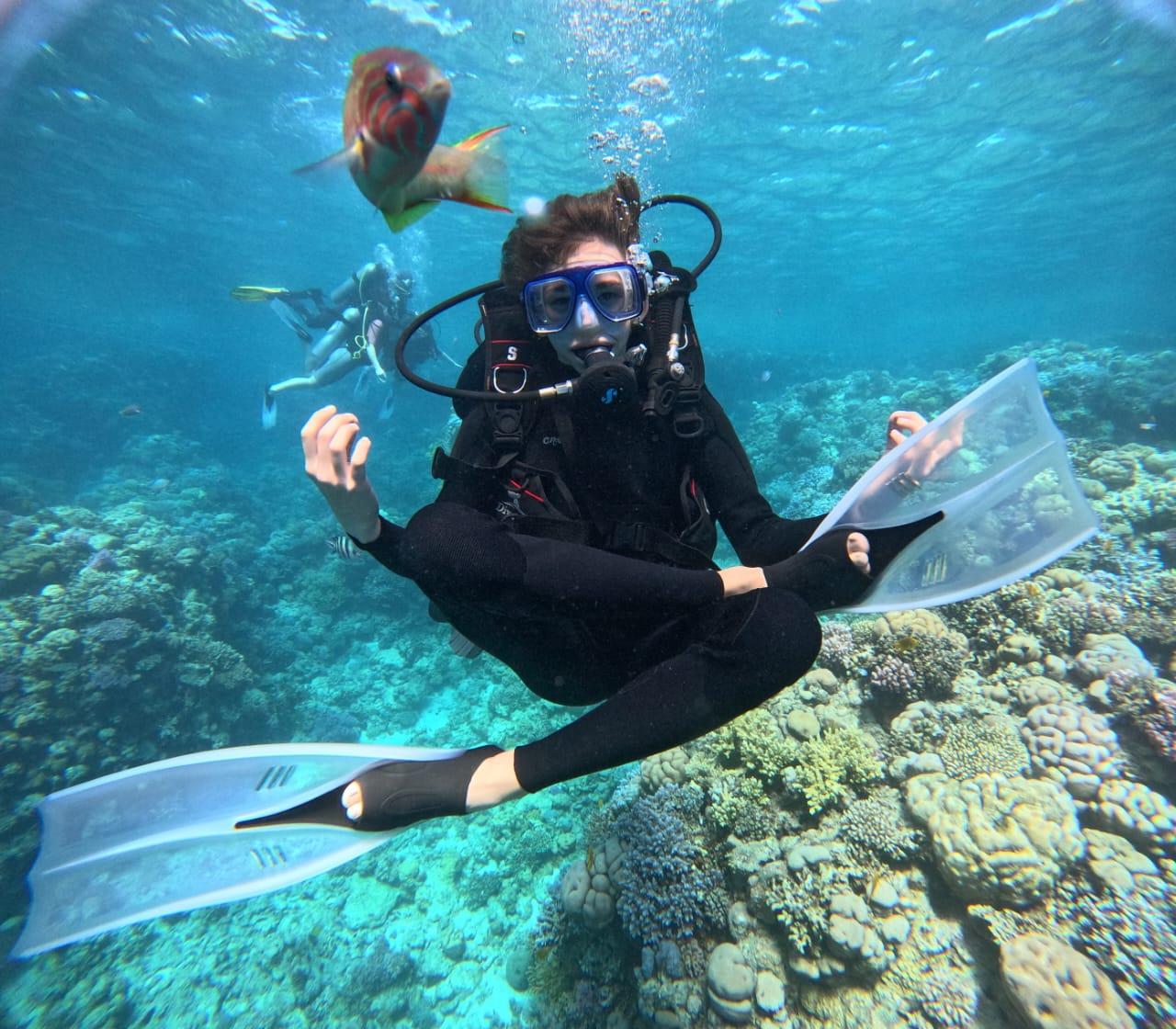
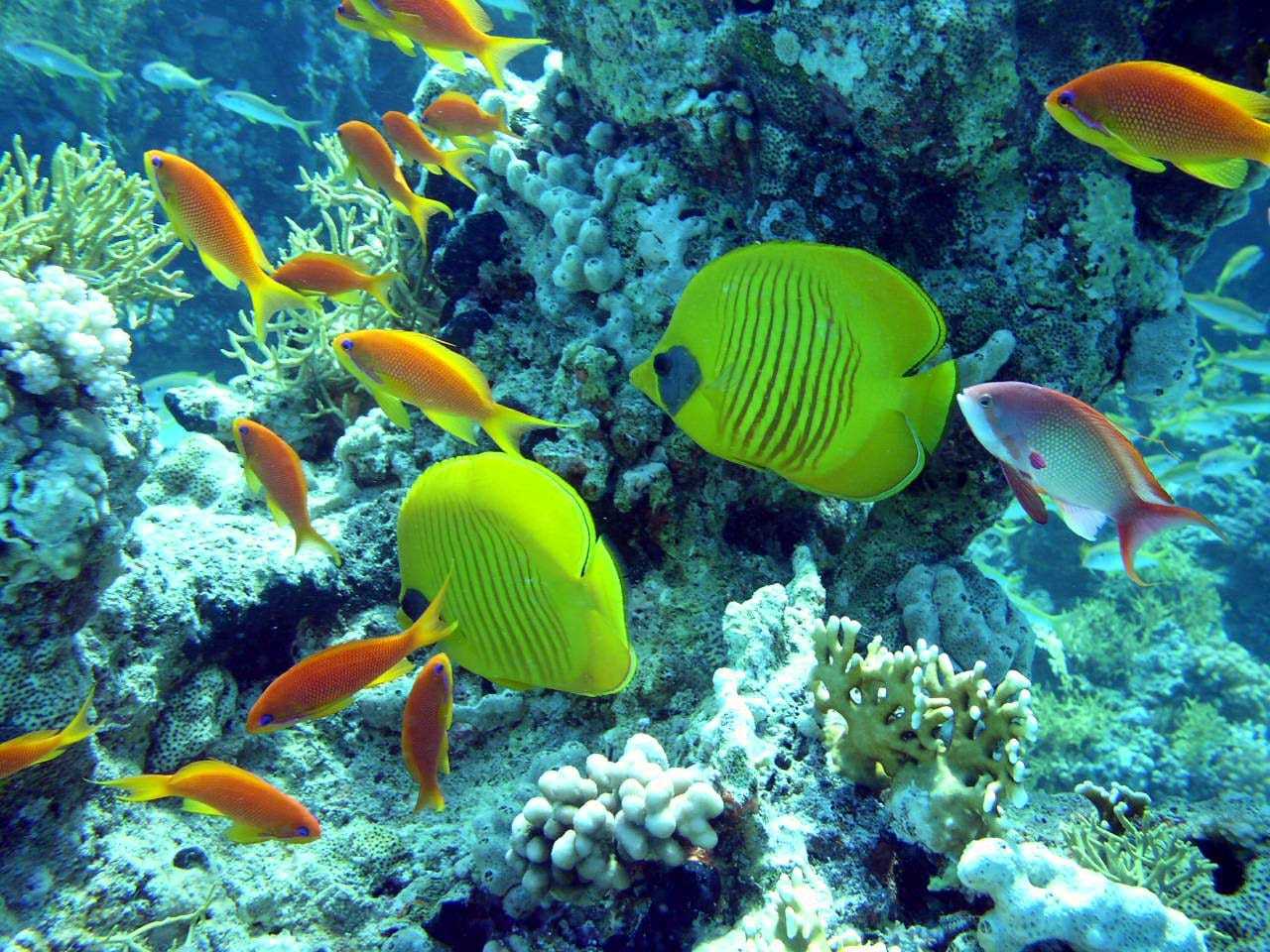
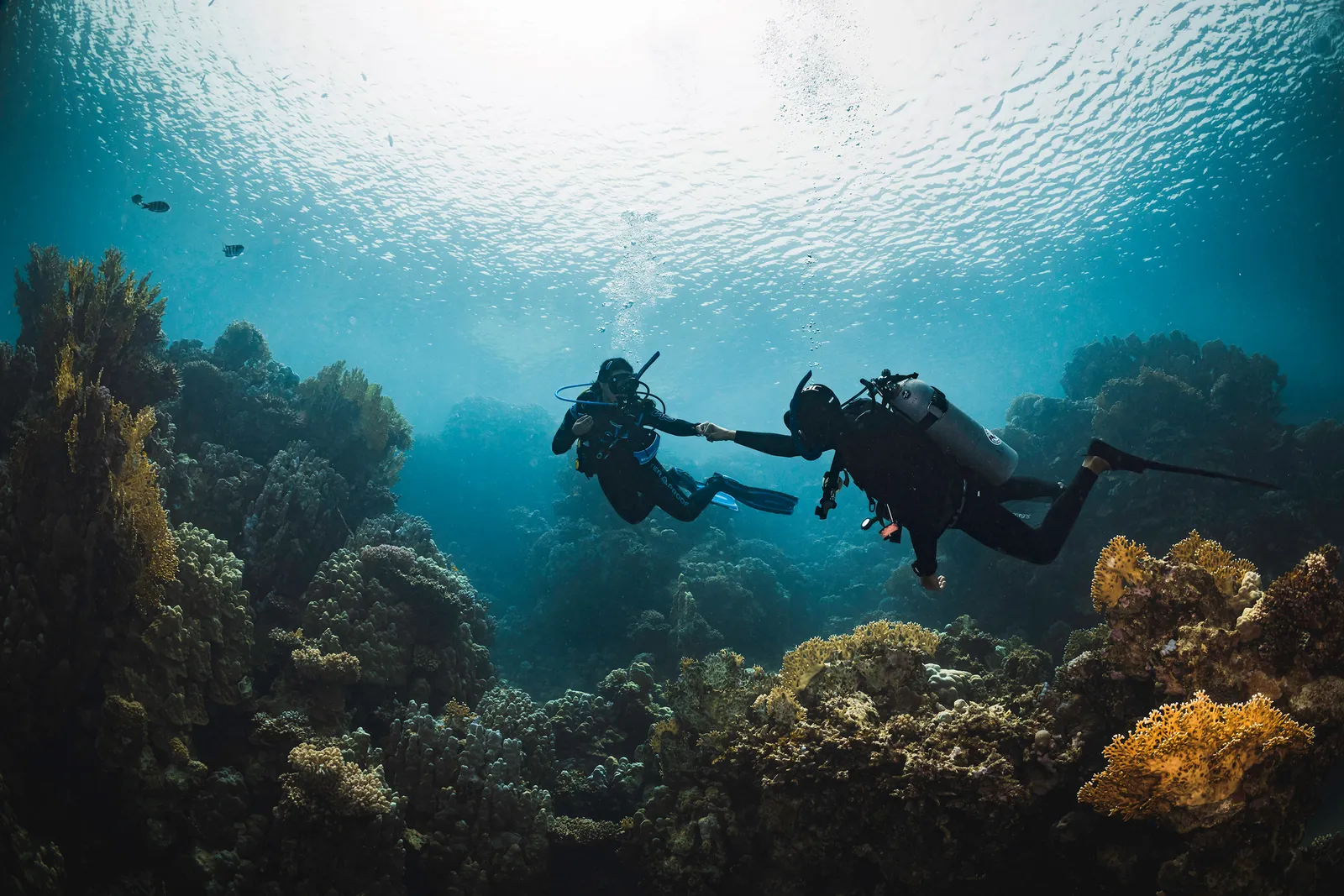
The descent line drops to a mooring buoy anchored at the reef crest, where you equalise and fin toward a vertical wall draped in gorgonian fans. At twenty-two metres, you hover beside a school of masked butterflyfish streaming over table corals the width of dinner tables. Your dive computer logs twenty-six degrees, warmer than the briefing predicted. A hawksbill turtle surfaces from a cleaning station, barnacles freshly scrubbed by wrasse, and continues its ascent at a leisurely pace.
Mid-dive, you reach a saddle between two reef pinnacles, where the current accelerates and grey reef sharks glide in formation along the drop-off. Your guide signals toward the blue, and a solitary manta ray appears at the edge of visibility, banking in a slow spiral before vanishing into deeper water. You fin back to the mooring line with three minutes of no-decompression time remaining, completing a safety stop at five metres while glassfish swirl in synchronized clouds beneath the hull. Back on deck, you rinse your mask and record the dive in your logbook: forty-one minutes, maximum depth twenty-eight metres, one manta sighting.
All the details about your upcoming adventure in one place
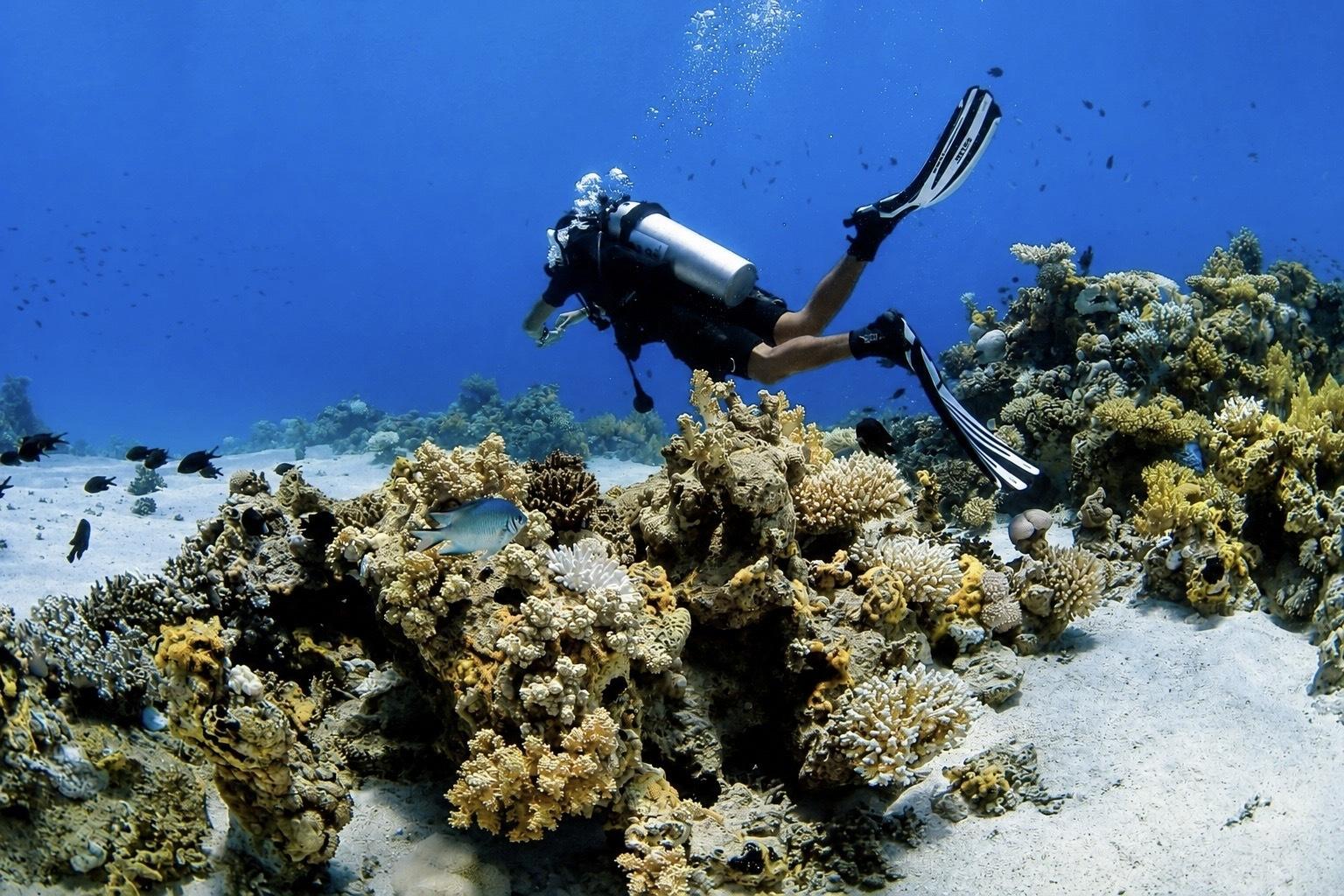
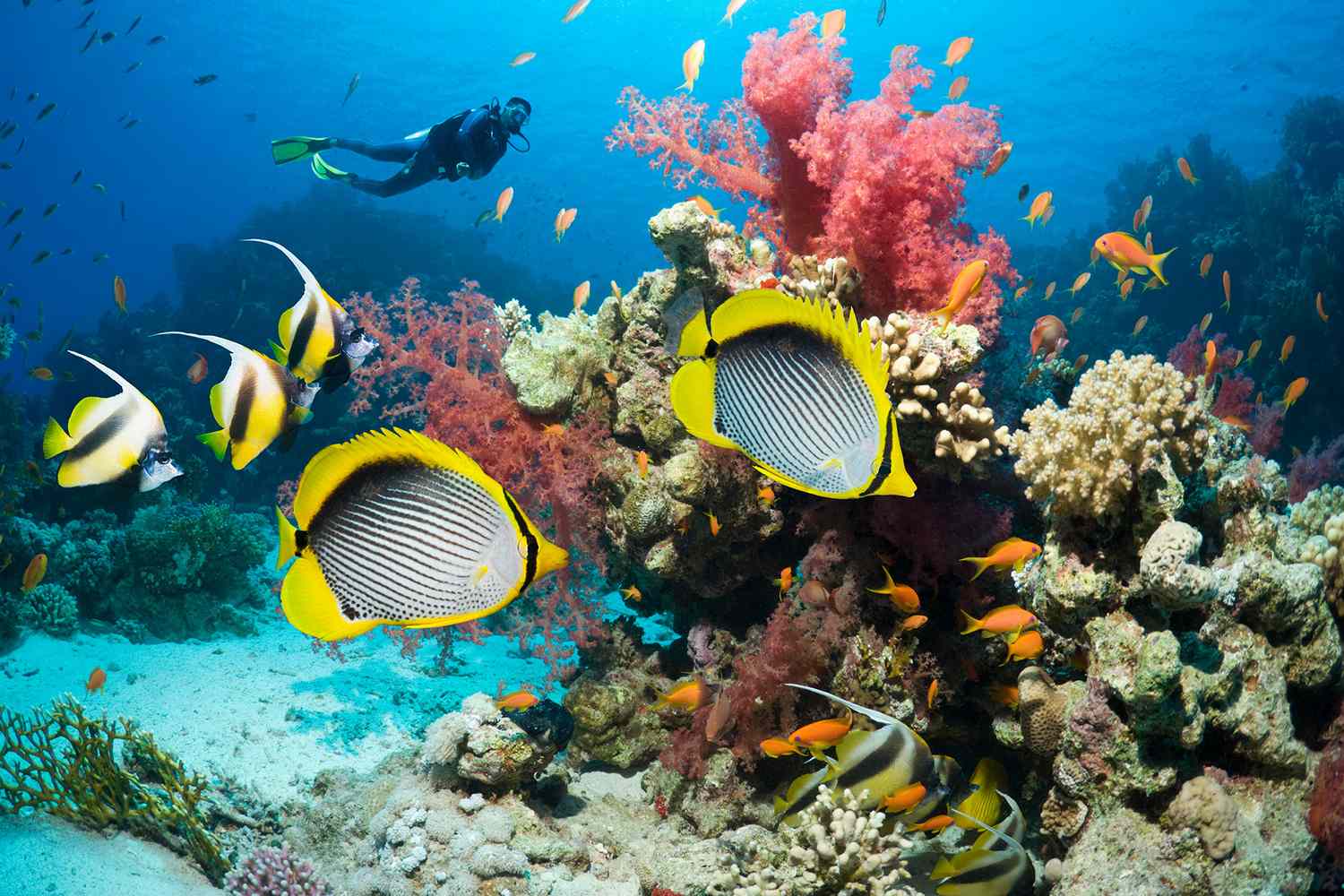
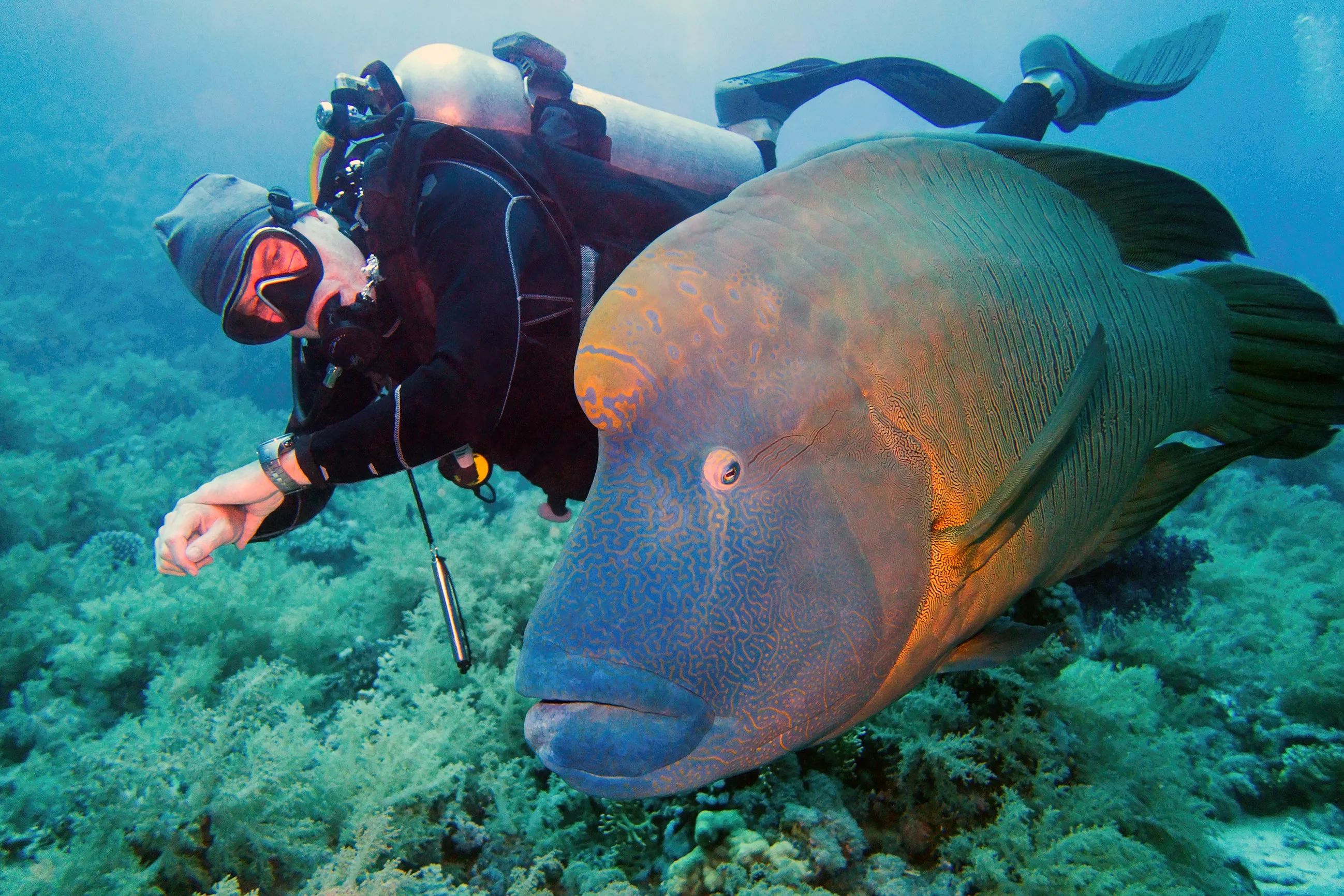
Red sea scuba diving offers access to some of the world's most vibrant coral reefs and diverse marine ecosystems, with visibility often exceeding 30 meters. The region's warm waters host over 1,200 species of fish and 200 types of hard and soft coral, creating exceptional conditions for underwater exploration year-round. Whether you're joining red sea scuba diving tours for reef walls, wreck sites, or shallow gardens, the combination of clear conditions and rich biodiversity makes each descent distinctive.
The Red Sea holds twenty percent of the planet's hard coral species within a rift valley that has been widening for thirty million years. Tectonic forces cleaved Africa from Arabia, and seawater flooded the gap, creating a landlocked marine highway between the Indian Ocean and the Mediterranean.
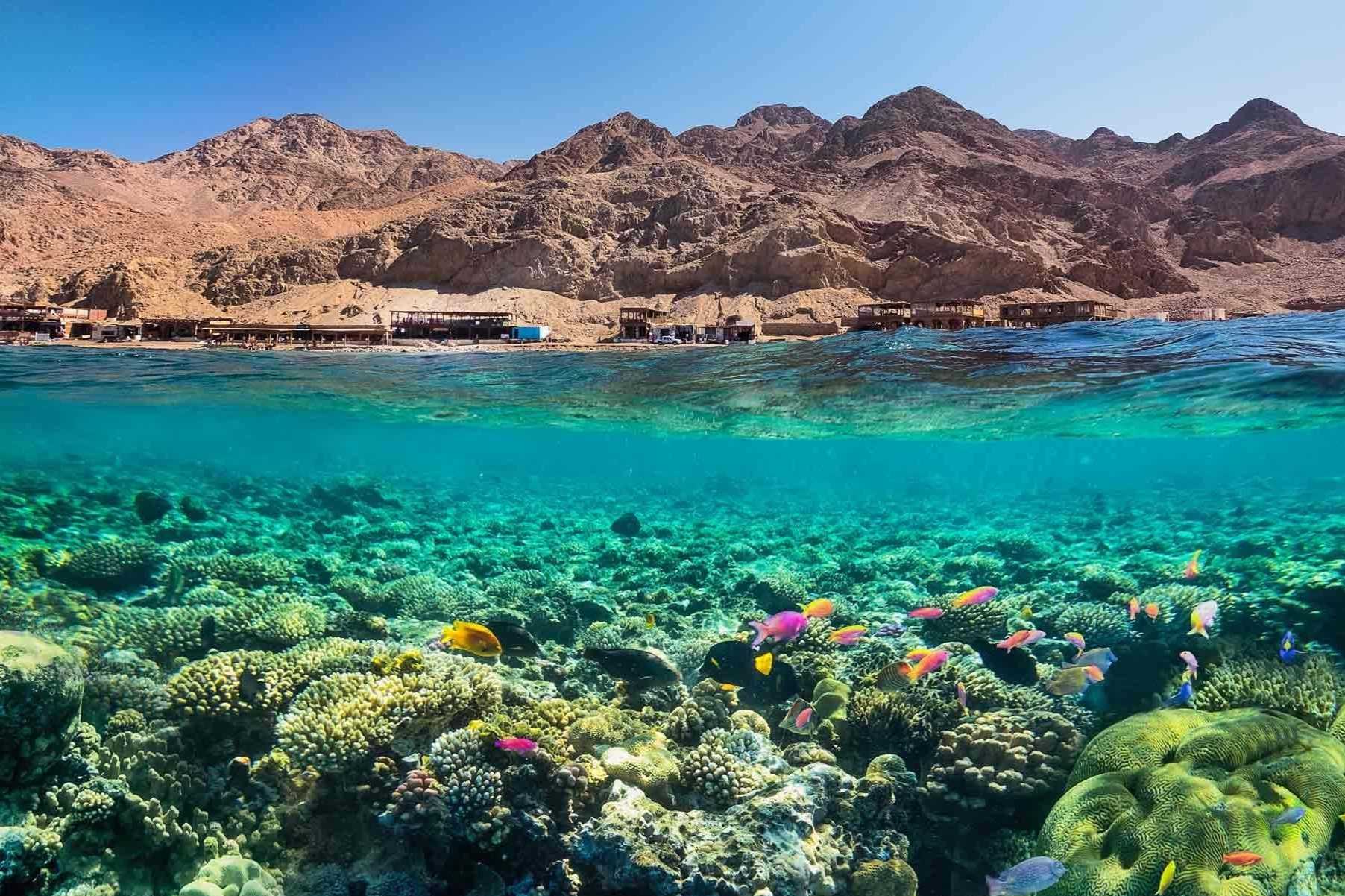
High evaporation rates and minimal freshwater inflow produce salinity levels near forty parts per thousand, discouraging river sediment and fostering exceptional visibility that often exceeds thirty metres. Reef structures along the Egyptian, Sudanese, and Saudi Arabian coasts cascade from shallow plateaus to abyssal drop-offs, some plunging beyond four hundred metres.
Red Sea scuba diving gained international attention in the mid-twentieth century when French explorer Jacques Cousteau filmed the wreck of the SS Thistlegorm in 1956, revealing a Second World War cargo vessel loaded with motorcycles, trucks, and ammunition. The site remains one of the most dived wrecks globally, lying at thirty metres in the Straits of Gubal. North of Hurghada, the Straits of Tiran funnel nutrient-rich currents between the Sinai Peninsula and Saudi Arabia, attracting schooling barracuda, grey reef sharks, and seasonal hammerhead aggregations. Four named reefs—Jackson, Woodhouse, Thomas, and Gordon—ring the straits, each offering wall dives with strong currents and pelagic encounters.
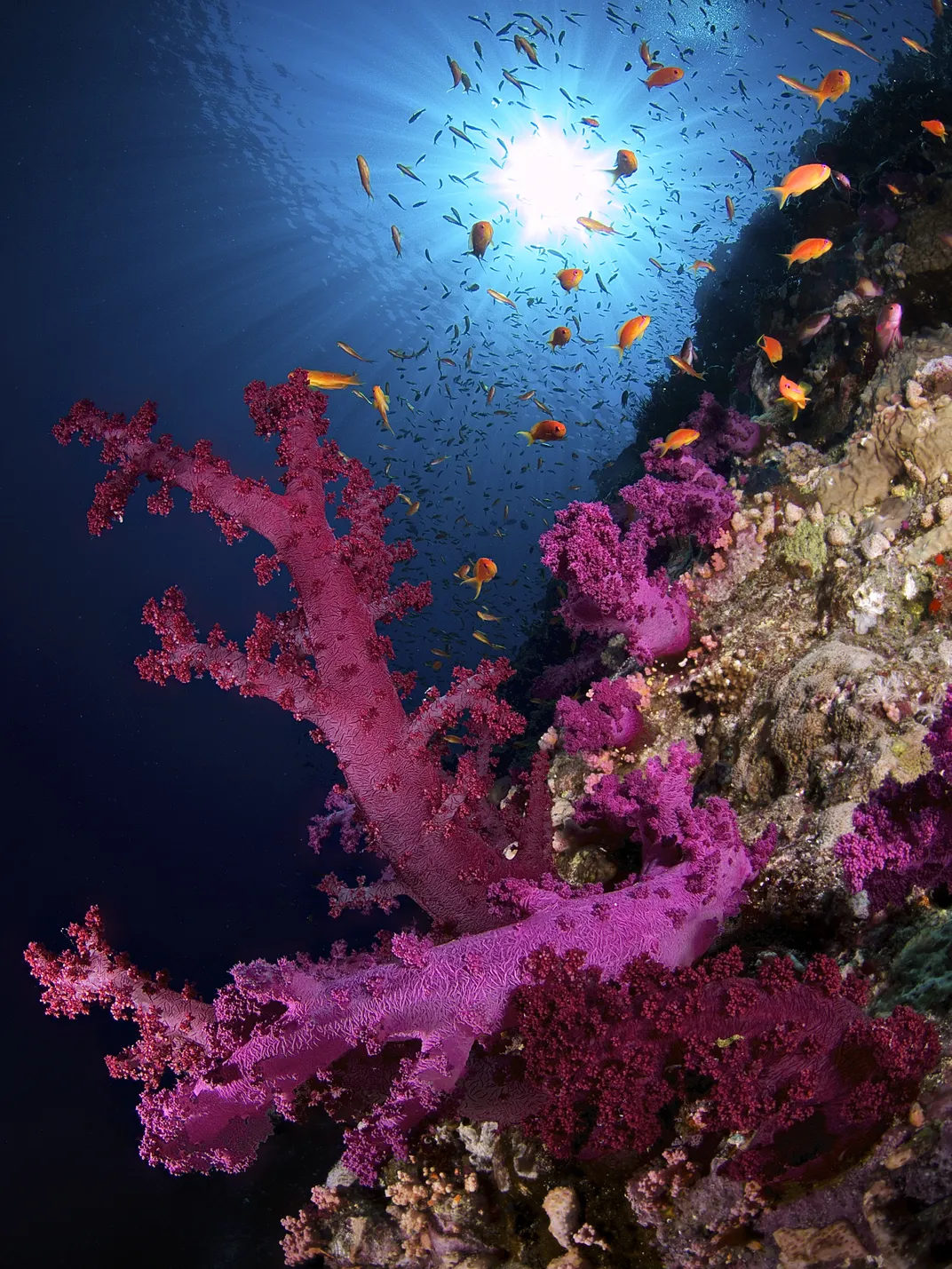
Farther south, the Brothers Islands rise as isolated pinnacles sixty-seven kilometres offshore, their sheer walls encrusted with soft corals in shades of violet and orange. Oceanic whitetip sharks patrol the blue water beyond the reef edge, a species rarely seen in shallower coastal zones. Liveaboard itineraries to the Brothers, Daedalus Reef, and Elphinstone typically span seven to ten days, targeting operators certified for remote offshore navigation. Red Sea scuba diving cost varies by destination; day trips from resort towns like Sharm el-Sheikh or Marsa Alam range from modest shore dives to premium boat charters serving sites like Ras Mohammed National Park, where the Shark and Yolanda reefs converge at a submerged headland.
Water temperature in the northern sector averages twenty-two degrees Celsius in winter and twenty-eight in summer, while the southern Red Sea near Sudan and Eritrea remains warmer year-round. Seasonal upwelling in autumn and spring reduces temperature by two to three degrees but delivers nutrient pulses that intensify fish activity. Jordan's sole Red Sea scuba diving enclave at Aqaba offers shore access to the Cedar Pride wreck and the Japanese Garden reef, both within municipal boundaries. Saudi Arabia opened its Red Sea coastline to recreational diving in 2019, with operators in Jeddah and NEOM now serving previously restricted reef systems. These newer sites report coral cover exceeding seventy percent in some transects, reflecting decades without anchor damage or visitor pressure.
High evaporation and minimal runoff produce visibility often exceeding thirty metres, a clarity that has defined Red Sea diving for seven decades.
Divers should wear appropriate swimwear under their wetsuits. When on board vessels, consider covering up with light clothing to protect against sun exposure.
Divers are responsible for their own gear and personal belongings. Secure dive bags are recommended for transport on boats.
Underwater photography is permitted for recreational use. Ensure you have the necessary waterproof housing for your equipment to prevent water damage.
Family access depends on age and certification level. Many operators offer introductory discovery programs for children accompanied by guardians.
Accessibility varies by boat and operator. Contact specific providers in advance to ensure the vessel is equipped for your physical requirements.
Most day boat trips include lunch and water on board. Outside food and beverages are generally prohibited unless cleared by the boat captain.
Opening Hours
08:00–18:00
Address
Red Sea Coast, Egypt
Entry Policy
0 USD (No public gate; fees are typically paid to independent dive operators)
Best Arrival
08:00–10:00 — Best visibility and lighter currents occur during morning hours
Storage
Not available at coastal entry points
Navigation
Independent operators facilitate boat access to reefs
Car · Varies · Varies
Most visitors reach harbors via private transfer or hotel shuttle from the airport.
Taxi · Varies · Varies
Readily available in all major coastal towns to transport gear to the dock.
Cancellation policies depend on the independent dive operator booked. Many require at least 48 hours notice for a refund of booking deposits.
Recommended time
Full day
For a successful red sea scuba diving experience, plan for a full day as most excursions involve boat travel to offshore coral reefs. We recommend the best arrival window: 08:00–10:00, as this allows you to capitalize on calm morning waters and optimal visibility before winds pick up. While there are no public gate entrance fees, you should book red sea scuba diving tours in advance to secure equipment and boat space. Managing your schedule around these maritime patterns ensures better access to marine life and shipwrecks while avoiding the surge of afternoon water enthusiasts.
Crowd levels through the day
Weather · crowds · average price — dots go green to amber to red as each metric rises.
March to May offers pleasant water temperatures and high visibility for red sea scuba diving.
June to August brings warmer water, ideal for long sessions during red sea scuba diving trips.
September to November provides stable conditions and comfortable air temperatures for red sea scuba diving.
December to February results in cooler water, requiring thicker wetsuits for red sea scuba diving excursions.
Test all equipment before leaving the dock for your red sea scuba diving session.
Drink plenty of fresh water to combat dehydration during red sea scuba diving days.
Ensure your card is valid for the depth of your planned red sea scuba diving sites.
Avoid touching any surface to preserve the ecosystem during red sea scuba diving tours.
Ask your guide about current conditions before starting any red sea scuba diving tour.
Hurghada, Red Sea Governorate
Confirm specific dock number with your operator
Get directions
Position yourself near the anchor chains to capture the silhouette of the ship against the surface light. This historic wreck site remains a highlight for those seeking red sea scuba diving photography opportunities.
This vertical wall offers vibrant soft corals and schooling fish, perfect for wide-angle compositions. Divers should maintain neutral buoyancy to avoid contact with the reef structure.
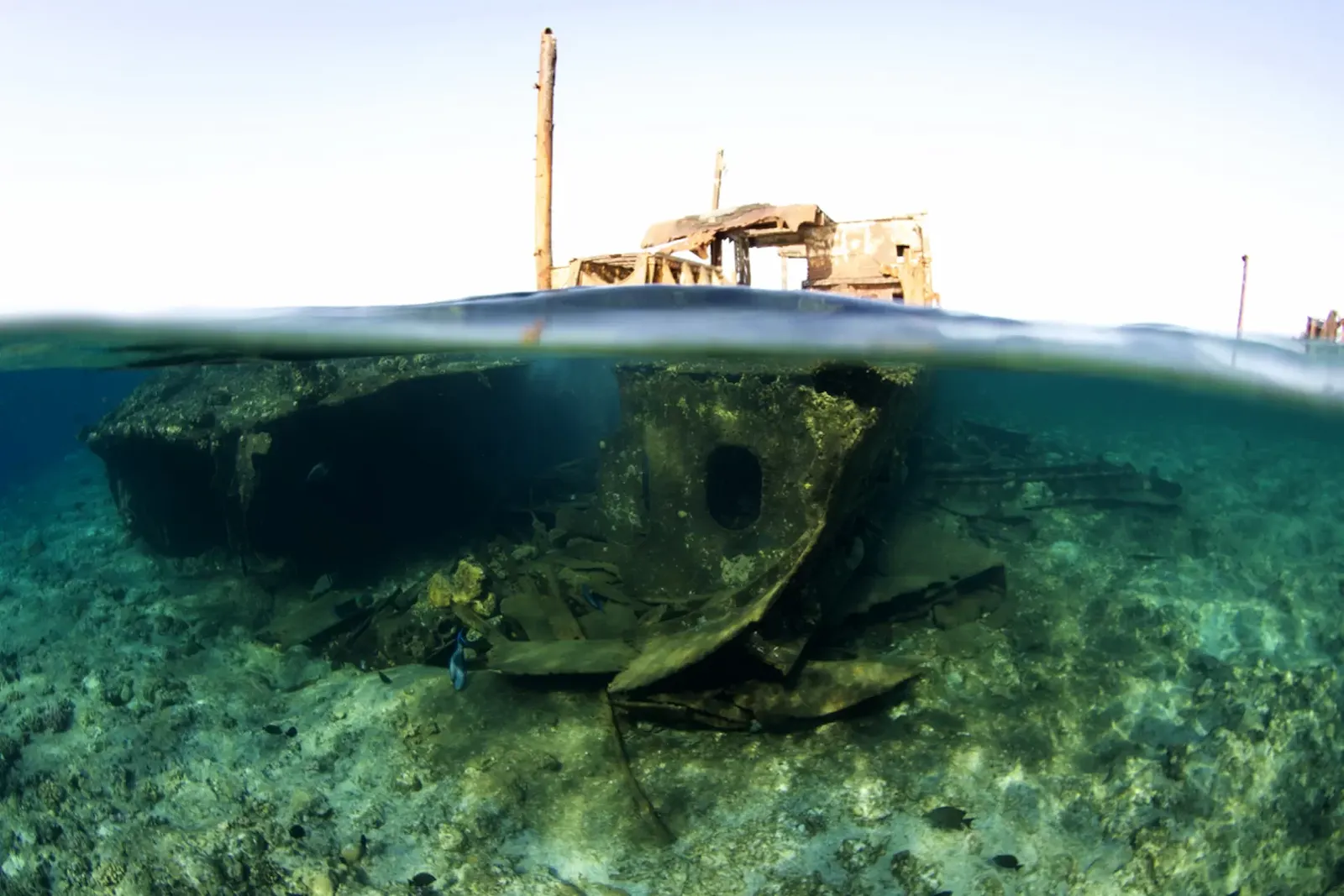
The northern tip of this reef features an iconic rusted wreck above the surface with a thriving coral garden beneath. Wide-angle lenses are recommended to frame the intersection of marine life and the metal hull.
Known for frequent pelagic encounters, this location requires careful positioning along the northern plateau. Photographers often find success here when booking organized red sea scuba diving tours.
Visitors planning a red sea scuba diving trip will find that most dining occurs within all-inclusive resorts or onboard liveaboards, though localized hubs offer diverse menus. For those booking red sea scuba diving tours near Hurghada, casual eateries and cafes are easily accessible for a post-excursion meal.
This popular spot offers fresh seafood catches and local mezze plates perfect for a relaxed dinner. It remains a steady favorite for those returning from red sea scuba diving tour sessions and prefers advance booking during peak evenings.
Real experiences from real travelers
The coral formations here remain some of the healthiest I've encountered in over 50 dives worldwide. Water temperature in August held steady at 28°C, making for comfortable 60-minute bottom times. Our guide identified three species of moray eel within a single reef section.
Departed the marina at 6:30 AM to reach the north reef sites before other groups arrived. Visibility exceeded 35 meters, allowing clear views of the drop-off wall. The soft coral coverage at 18-meter depth was particularly dense.
Red sea scuba diving tours here access sites with consistent mild currents that concentrate pelagic species. We observed a school of barracuda, several eagle rays, and countless anthias. The briefing covered navigation clearly.
Equipment was well-maintained and staff handled logistics efficiently. The reef topography offers interesting swim-throughs and overhangs. One regulator needed adjustment mid-dive but was resolved quickly.
Macro subjects were abundant across the reef flat—nudibranchs, pipefish, and juvenile fish tucked into coral branches. Natural light at 10 meters was sufficient for photography without strobes during midday dives.
Completed six dives over three days with consistently excellent visibility. The house reef accessible from shore provides convenient additional diving between boat trips. Water entry from the beach is straightforward.
Our divemaster chose locations based on current conditions rather than a fixed rotation. This adaptive approach maximized encounters with larger marine life. The red sea scuba diving tickets included all equipment and weights.
The advanced certification course here covered deep diving and navigation across varied reef terrain. Instructors maintained appropriate ratios and pacing. Certification dives reached 30 meters along the wall.
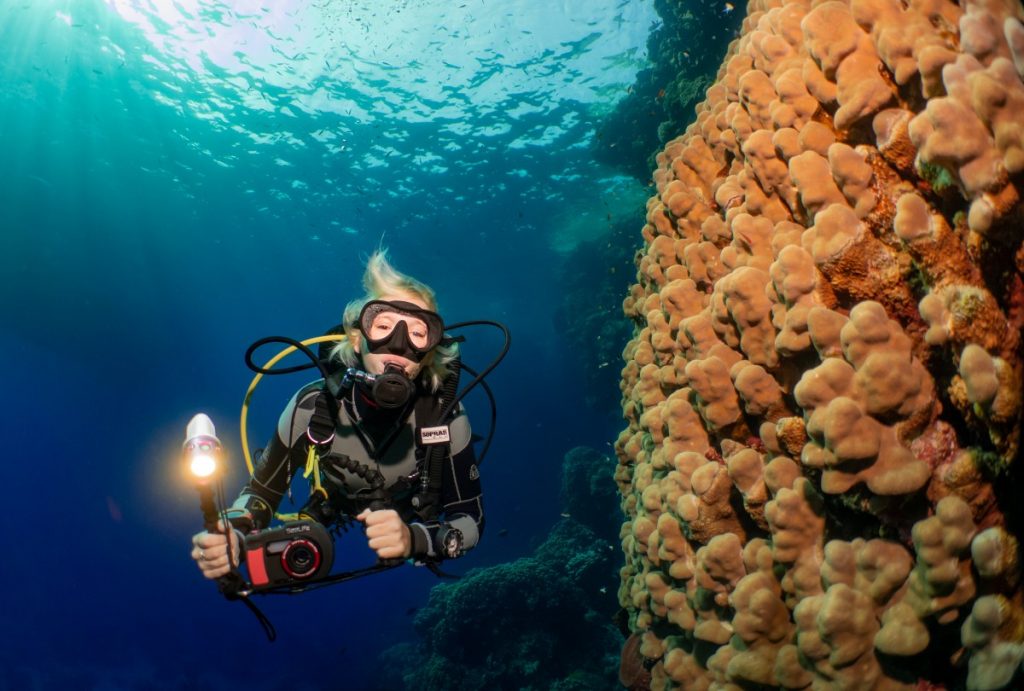
The table coral formations at the southern site span several meters in diameter. Fish density was high, with groupers and snappers sheltering beneath the plates. Surface interval facilities on the boat were adequate.
All divers completed thorough check-out dives before progressing to deeper sites. The operation maintains oxygen equipment on board and crew demonstrated clear emergency procedures. The red sea scuba diving tour schedule allowed proper surface intervals.
Everything you need to know for your journey
You can plan your visits between 08:00–18:00 every day.
There is a 0 USD entrance fee as no public gate exists for the Red Sea Coast.
The best arrival window is 08:00–10:00 for optimal visibility and lighter currents.
Age limits vary by operator, though most require participants to be at least 10 years old for intro courses.
No specific entry tickets are required; you pay independent dive operators directly.
Yes, you are encouraged to bring your own personal equipment for red sea scuba diving.
Bring your certification card, logbook, sunscreen, and a towel for your red sea scuba diving excursion.
Yes, underwater photography is permitted during your red sea scuba diving adventure.
Visitors typically use private transfers or taxis to reach the coast for red sea scuba diving.
Yes, many operators accommodate families on boats, provided they meet specific age and health criteria.
Features extensive marine life exhibits
High-end coastal resort district
Join thousands of happy travelers who have discovered this incredible experience
Book Your Experience Now